Answers
For Stop Guessing Your Portion Sizes for Meal Prep Sunday, prepare meal photos, height, weight, goal, diet preference, and activity context. Keep a clear decision boundary before acting on the result.
SpokiCal can support this workflow: scan food and estimate calories. Review the result against portion size, visible ingredients, goal, routine, and dietary constraints.
Key takeaways
- Weight is a more reliable metric than volume for calorie-dense foods.
- Account for water loss by weighing proteins after cooking for final portioning.
- Identical containers help visually standardize your weekly intake.
- AI scanning tools can provide a secondary check on portion estimations.
Why Your Eyes Deceive You with Dense Ingredients
Human beings are notoriously poor at estimating the weight of items by sight alone especially when dealing with irregular shapes like broccoli florets or compressible items like cooked grains. A single tablespoon of olive oil contains roughly one hundred and twenty calories but looks nearly identical to two tablespoons when drizzled over a large sheet pan of roasting sweet potatoes. This margin of error is why many people feel they are eating clean but fail to see changes in their energy levels or body composition.
To fix this you must transition from measuring by volume using cups and spoons to measuring by weight using a digital scale which provides a constant truth regardless of how tightly a food is packed into a container.
A useful session should reduce uncertainty, preserve the evidence behind the result, and make the next action easier to choose. More screens do not help when the underlying context is incomplete.
The Weight vs Volume Debate in Batch Cooking
One of the most significant hurdles in meal prep is accounting for the water loss that occurs during the cooking process which changes the weight of your food from raw to finished state. For example four ounces of raw chicken breast will weigh approximately three ounces once cooked but the caloric content remains the same despite the smaller physical footprint. The most accurate way to handle this is to weigh your total raw ingredients first and then divide the final cooked weight by the number of servings you intended to create.
This ensures that if you are making a large batch of turkey chili or quinoa salad every container receives an equal share of the macronutrients you carefully planned at the start of the process.
SpokiCal helps users scan food and estimate calories, but the result should still be checked against the user's own context and any professional boundary that applies.
Leveraging Visual Recognition and AI for Efficiency
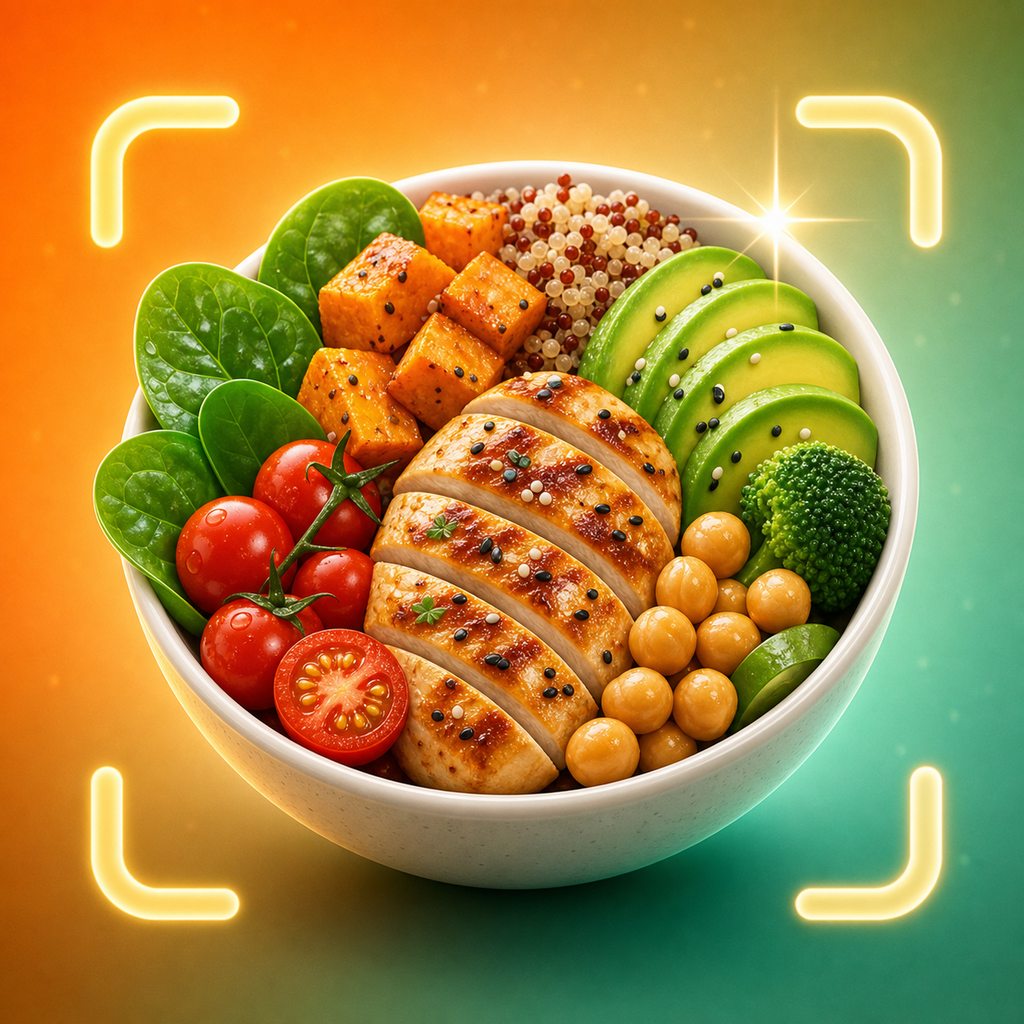
While a scale is the gold standard for precision it isn't always practical when you are assembling complex multi-ingredient bowls or eating a meal that someone else prepared. This is where modern technology can act as a bridge between complete guesswork and rigid weighing by using visual analysis to identify components and estimate their dimensions. Tools like SpokiCal allow you to use your camera to scan your prepared meals which helps build your internal database of what a proper portion actually looks like.
By taking a photo of your meal prep containers you create a visual log that the AI analyzes to provide a more informed estimate of the nutritional breakdown which serves as a vital sanity check for your manual logging.
The best repeat users build a small history. Saved sessions, notes, screenshots, or previous results make future decisions faster because the app has a clearer personal reference point.
Practical Strategies for Long Term Portion Consistency
To make portioning sustainable you should invest in a set of identical glass containers which allows you to visually calibrate your servings across the entire week. When every container is the same size it becomes immediately obvious if one meal has significantly more pasta or less protein than the others. Additionally you should prioritize filling half of every container with high-volume low-calorie vegetables like spinach or peppers before adding your measured proteins and grains.
This strategy uses the concept of volume eating to ensure you feel physically full while keeping the calorie-dense portions of the meal strictly controlled and consistent with your nutritional requirements.
In practice, that means slowing down long enough to give SpokiCal the context a human would ask for: what you are trying to decide, what details are visible, and what kind of next step would be useful.
The Nuance of Bioavailability and Satiety
It is important to acknowledge that portioning isn't just a game of numbers but also a matter of how your body processes different fuel sources. Two hundred calories of fibrous lentils will affect your hunger levels and blood sugar differently than two hundred calories of white white bread even if the measurements are perfectly specific on a scale. As you refine your meal prep focus on how these portions make you feel two hours after eating and don't be afraid to adjust your ratios.
True nutritional mastery comes from combining the hard data of weighed portions with the subjective data of your own energy levels and hunger cues throughout the work week.
A useful session should reduce uncertainty, preserve the evidence behind the result, and make the next action easier to choose. More screens do not help when the underlying context is incomplete.
Take Control of Your Nutrition
specific tracking doesn't have to be a chore. If you're looking for a way to verify your portions on the go, you can download SpokiCal on the App Store or Google Play.
SpokiCal helps users scan food and estimate calories, but the result should still be checked against the user's own context and any professional boundary that applies.
Product moments: SpokiCal
SpokiCal supports this workflow: scan food and estimate calories. It is designed around meal photos, height, weight, goal, diet preference, and activity context, and its output should be reviewed against portion size, visible ingredients, goal, routine, and dietary constraints.
Continue in SpokiCal when you have meal photos, height, weight, goal, diet preference, and activity context ready and want to save the result.
Before you download.
What is the practical takeaway from Stop Guessing Your Portion Sizes for Meal Prep Sunday?
For Stop Guessing Your Portion Sizes for Meal Prep Sunday, prepare meal photos, height, weight, goal, diet preference, and activity context. Keep a clear decision boundary before acting on the result.
Which inputs make this article more useful?
Prepare meal photos, height, weight, goal, diet preference, and activity context. Specific context makes the result easier to inspect and compare.
When does this workflow need outside confirmation?
Photo calorie estimates are approximate and should not replace medical nutrition advice. Seek the appropriate qualified source when the decision affects health, safety, money, or legal rights.
Practical checklist
Trust note
While AI scanning and kitchen scales provide high accuracy, no method is 100% perfect due to variations in food sourcing and cooking methods.